
Knowledge Hub
Concrete intelligence, explained.
Field-tested guidance on maturity, strength, and curing — written for the engineers, QA teams, and producers who make concrete decisions every day.
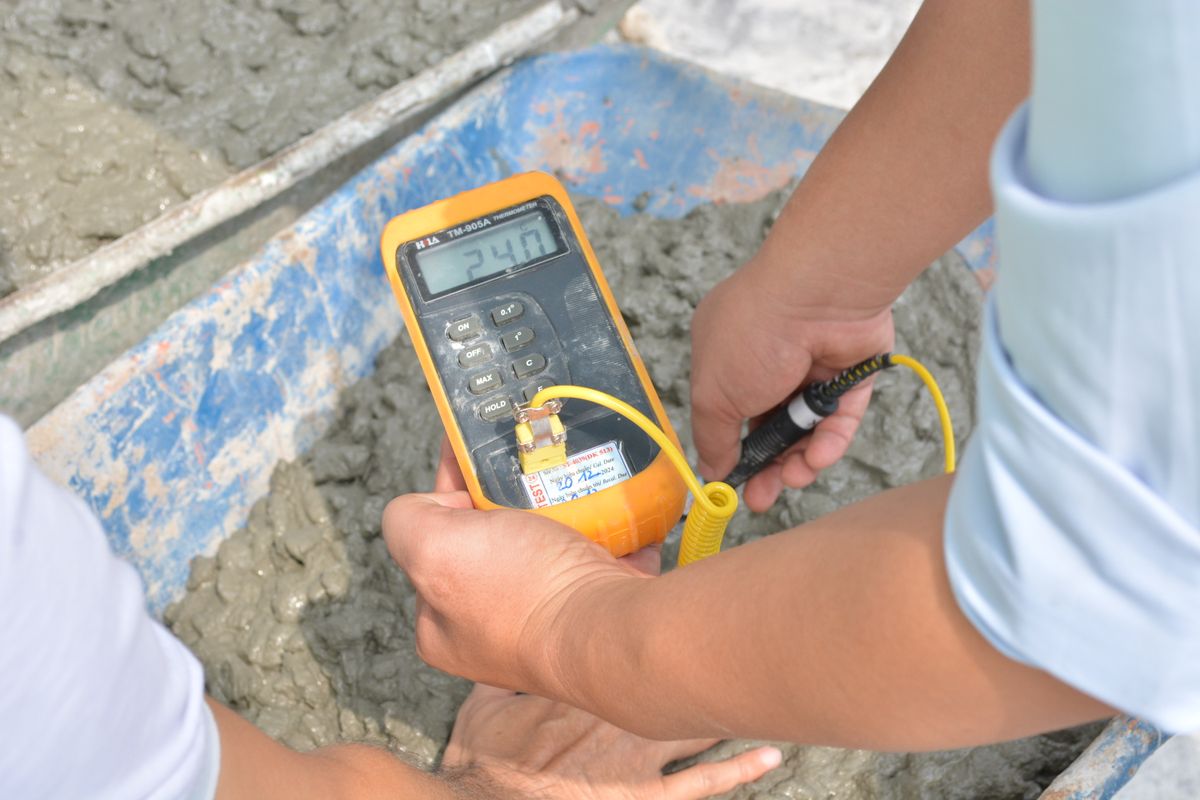
What Is Concrete Maturity? The Nurse–Saul and Arrhenius Methods Explained
Maturity links the time-and-temperature history of a pour to its in-place strength. Here is how the two established maturity methods work — and why they let you act days earlier.
Read article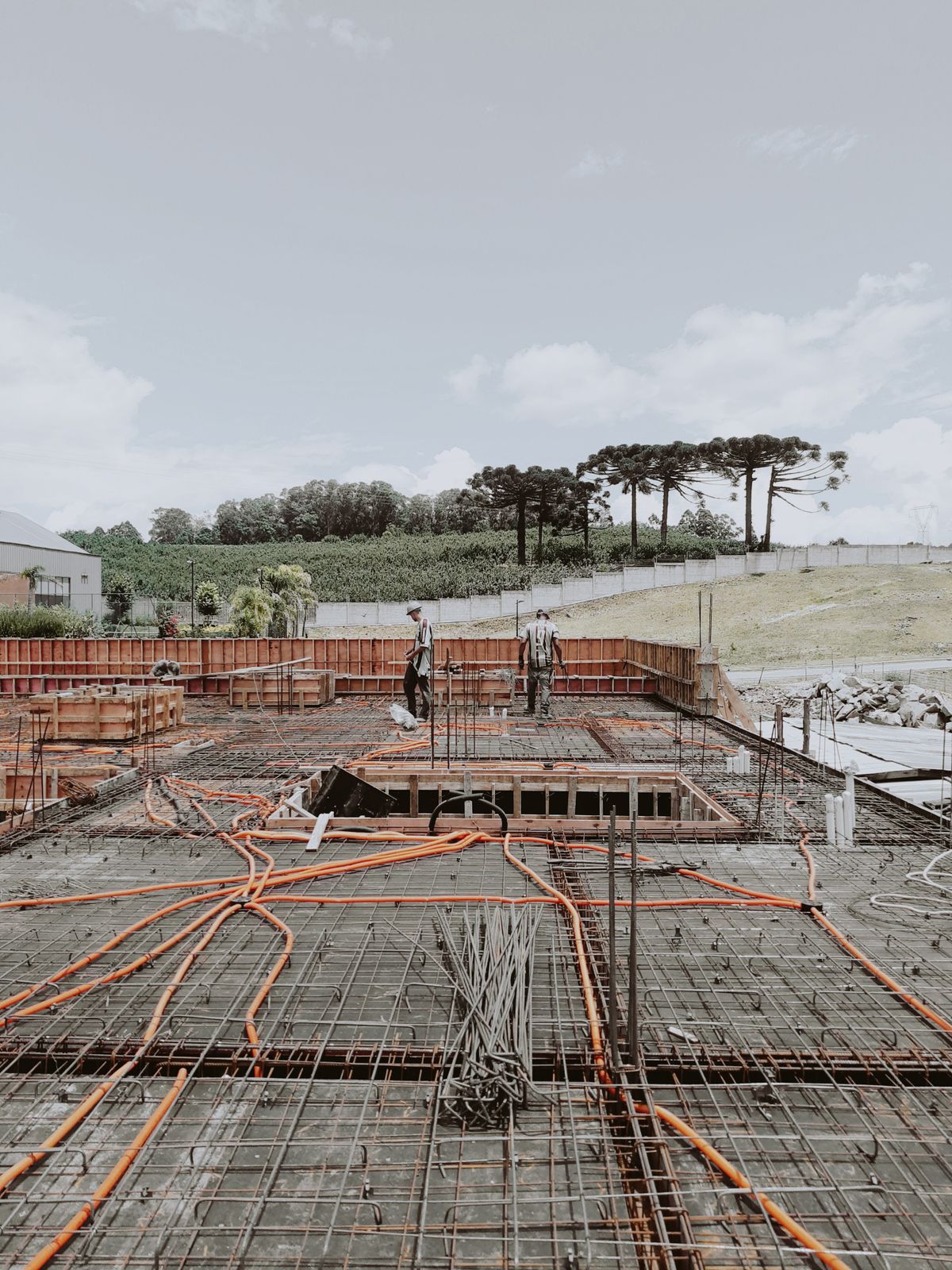
When Can You Safely Strip Formwork? Data Instead of the Calendar
Conservative fixed-schedule stripping leaves days on the table. Real-time strength data lets you strip at the earliest moment it is verifiably safe — not a guessed minimum.
Read article
Preventing Thermal Cracking in Mass Concrete on UAE Sites
Thick rafts, transfer slabs, and core walls can crack from internal temperature differentials before they ever carry load. Multi-point monitoring catches the differential before it becomes a crack.
Read article
ASTM C1074 vs Companion Cylinders: A Practical Comparison
Companion cylinders give a single number, at a fixed age, from concrete cured differently to the structure. Maturity testing per ASTM C1074 gives a continuous, in-place curve. Here is how they compare.
Read article
How to Calibrate a Strength–Maturity Relationship for Your Mix
A maturity index only becomes strength through calibration. This is the one-time lab procedure that unlocks real-time strength estimates for every future pour of a mix.
Read article
Cutting Concrete's Carbon Footprint With Better Curing Data
Concrete accounts for roughly 8% of global CO₂. Real-time curing data reduces destructive testing, cuts waste, and informs leaner mix designs — sustainability you can deploy today.
Read article